 Learn Arabic

If you’ve ever looked at an Arabic sentence flowing right to left and then hit a number that reads left to right, you’ve already spotted one of the trickiest parts of learning Arabic numbers. Learning how to read and write Arabic numbers means mastering two separate systems: the numerals themselves (the symbols) and the spoken/written number words (the grammar). Both follow rules that don’t map directly onto English.
This guide walks through both systems clearly, explains the direction rule that confuses most beginners, and covers the grammar, gender agreement, case, and word order that native materials rarely explain in plain terms.
Understanding The Two Arabic Numeral Systems
Arabic numbers are not included in one system; they’re two. Knowing which one you’re looking at changes how you read it.
Eastern Arabic Numerals (Mashriqi) and Where They Are Used
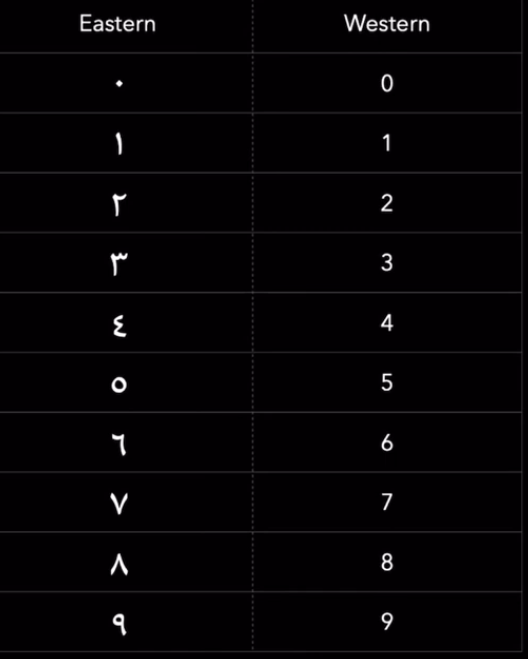
Eastern Arabic numerals — ٠ ١ ٢ ٣ ٤ ٥ ٦ ٧ ٨ ٩ — are the numeral shapes used across the eastern Arab world, including Egypt, Saudi Arabia, and the Gulf.
If you’re learning Arabic in the UAE, these are the digits you’ll see on price tags, license plates, and official documents alongside Western numerals.
Western Arabic Numerals (Maghribi) and Where They Are Used
Western Arabic numerals — 0 1 2 3 4 5 6 7 8 9 — are also called Ghubari numerals. They’re standard in the Maghreb (Morocco, Algeria, Tunisia, Libya) and are identical to the numerals used internationally.
Many Gulf countries, the UAE included, use Western numerals in everyday commercial contexts even though Eastern numerals remain common in formal Arabic text.
Read also: 10 Steps to Learning Arabic Numbers for Kids in the UAE
How to Read Multi-Digit Numbers in Arabic Correctly
Arabic script is written and read right to left, but multi-digit numbers are written left to right, the same direction as English. This isn’t an exception invented for foreign learners. It reflects how place value works.
The leftmost digit always carries the highest place value, exactly as in English, so a number like ١٢٣ (123) places the “hundred مئات” on the left and the “unit آحاد” on the right, regardless of the surrounding text direction.
How to Read Multi-Digit Numbers in Arabic Correctly
When you hit a number inside Arabic text, your eyes make a small direction switch: read the number left to right, then continue the sentence right to left.
This switch is automatic for native readers but takes conscious practice for learners. It’s one of the more common early stumbling blocks in Arabic reading fluency.
How to Read Arabic Numbers from 0 to 10
Before tackling compound numbers, you need the base vocabulary. These ten words form the building blocks for every number in Arabic.
0: صفر (sifr)
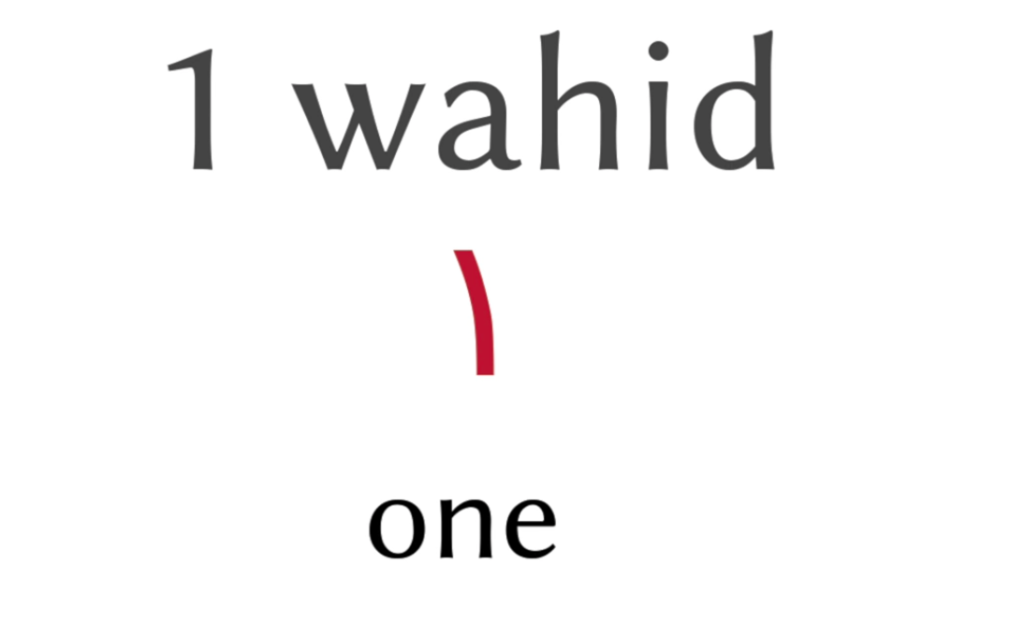
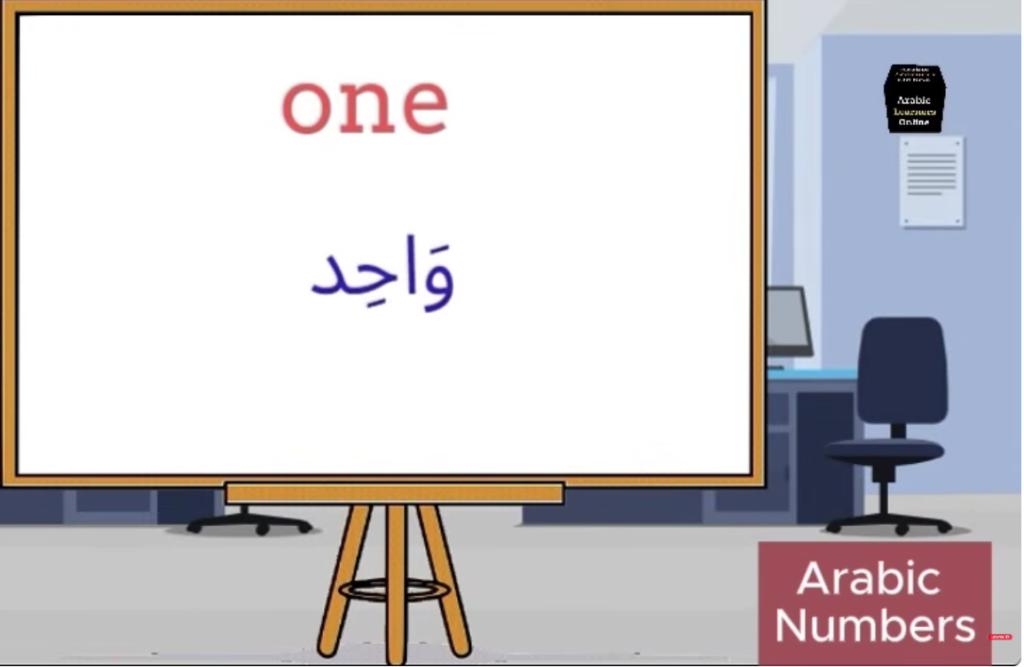
1: واحد (wahid)
2: اثنان (ithnan)
3: ثلاثة (thalatha)
4: أربعة (arba’a)
5: خمسة (khamsa)
6: ستة (sitta)
7: سبعة (sab’a)
8: ثمانية (thamaniya)
9: تسعة (tis’a)
10: عشرة (ashara)
When you learn how to read these numbers correctly, the rest of the number system is really just combination and agreement rules applied to this same set of words.
A qualified instructor can catch gender and case mistakes in real time. Self-study apps generally can’t do this, since they check spelling but not grammatical agreement.
How to Read Compound Numbers in Arabic
Reading compound numbers is one of the most important steps throughout the journey of learning how to read Arabic numbers. This step is divided into two minor ones that every learner should be aware of.
How to Read Two-Digit Arabic Numbers – Units Before Tens
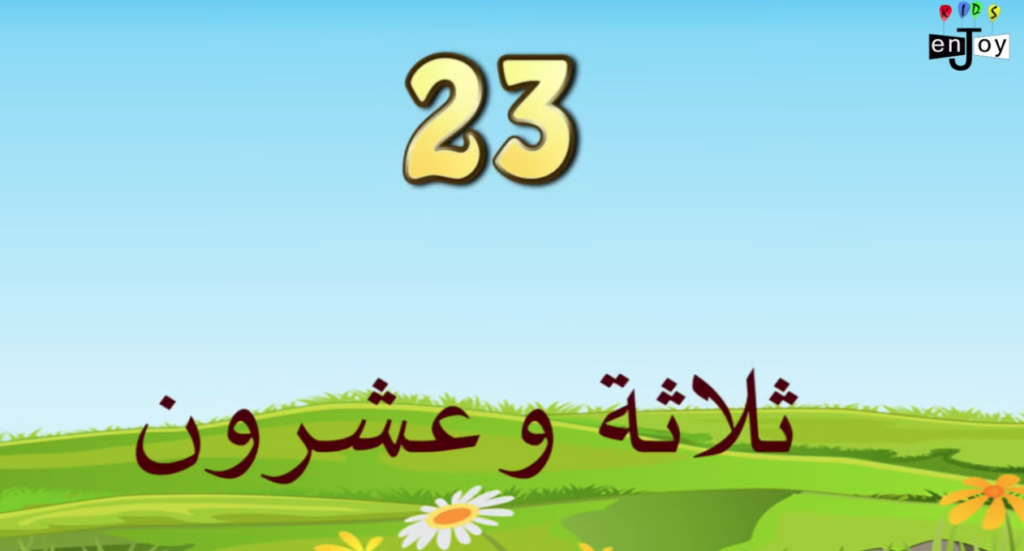
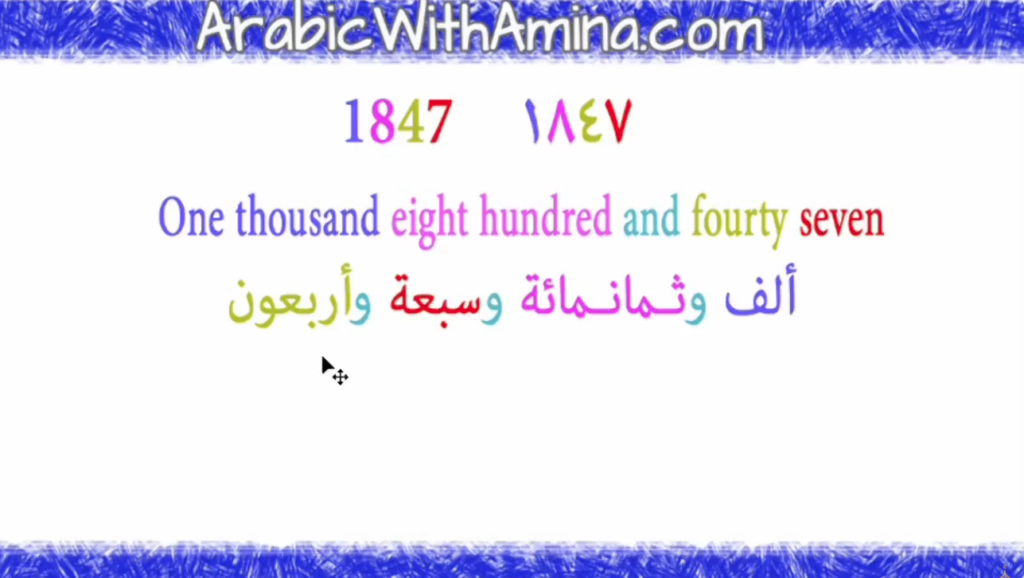
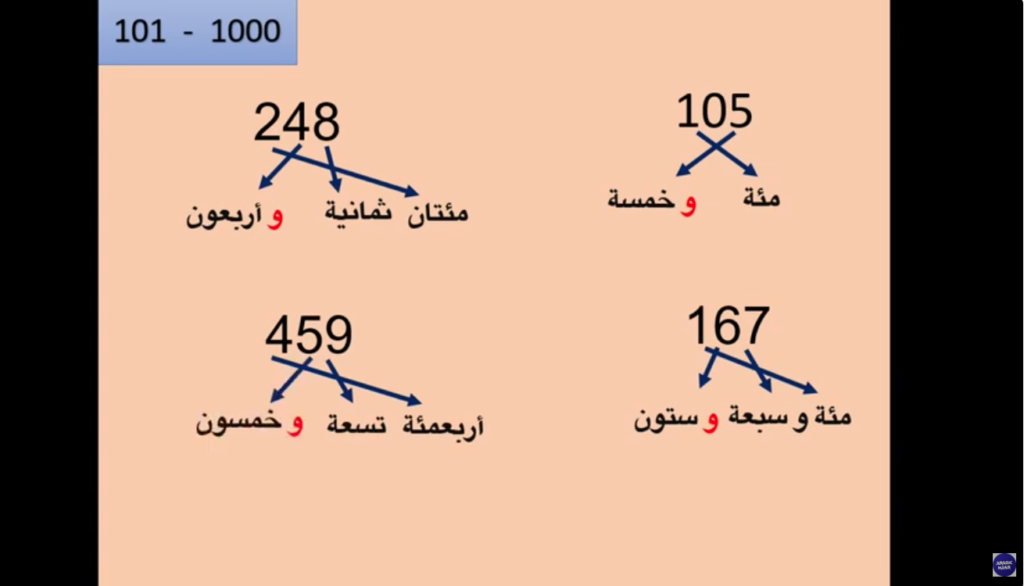
Arabic reads two-digit numbers in the opposite order from English: units first آحاد, then tens عشرات, joined by “and” (و). The number 23 is read ثلاثة وعشرون (literally “three and twenty”), not “twenty-three.” This unit-before-ten pattern holds for every two-digit number from 21 to 99.
How to Read Large Arabic Numbers by Place Value
Once you move past two-digit numbers, the direction flips back. Hundreds, thousands, and millions are read from the largest place value down to the smallest: millions, then thousands, then hundreds, then the tens-and-units pair described above.
A number like 1,997 is read: ألف وتسعمائة وسبعة وتسعون (a thousand, and nine hundred, and seven and ninety).
Read Also: Arabic Numerals – The True Origin Of The World’s Most-Used Number System
How Gender Agreement Works with Arabic Numbers
Arabic numbers agree with the noun they’re counting. However, the agreement pattern is not consistent across all numbers. This is where most learners make mistakes.
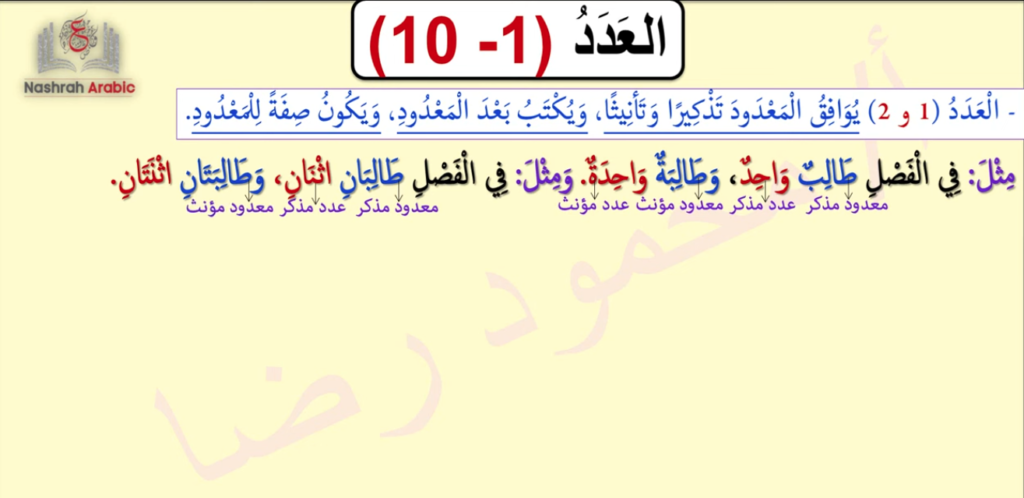
Numbers 1 And 2 – They Match The Noun’s Gender
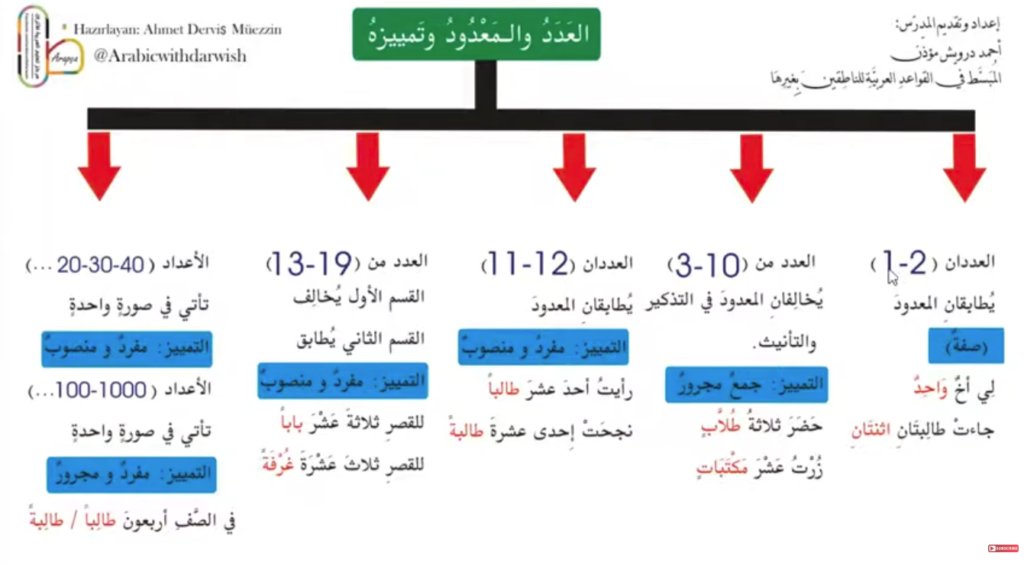
For the numbers one and two, the number word matches the gender of the counted noun, functioning grammatically as an adjective rather than needing a separate counted-noun form. You say قلم واحد (one masculine pen) and مؤسسة واحدة (one feminine institution), masculine with masculine, feminine with feminine.
Numbers 3 To 10 – They Reverse The Noun’s Gender
This is the rule that trips up almost every learner: numbers 3 through 10 take the opposite gender of the noun they count. A feminine noun takes the masculine form of the number, and a masculine noun takes the feminine form.
The Quran offers a clean example of this in Surah Al-Haqqah: ثمانية أيام (eight days) pairs the masculine-form number ثمانية with the masculine noun أيام, while سبع ليال (seven nights) pairs the feminine-form سبع with the feminine noun ليال.

Numbers 11 And Above – Tens And Hundreds Stay Fixed
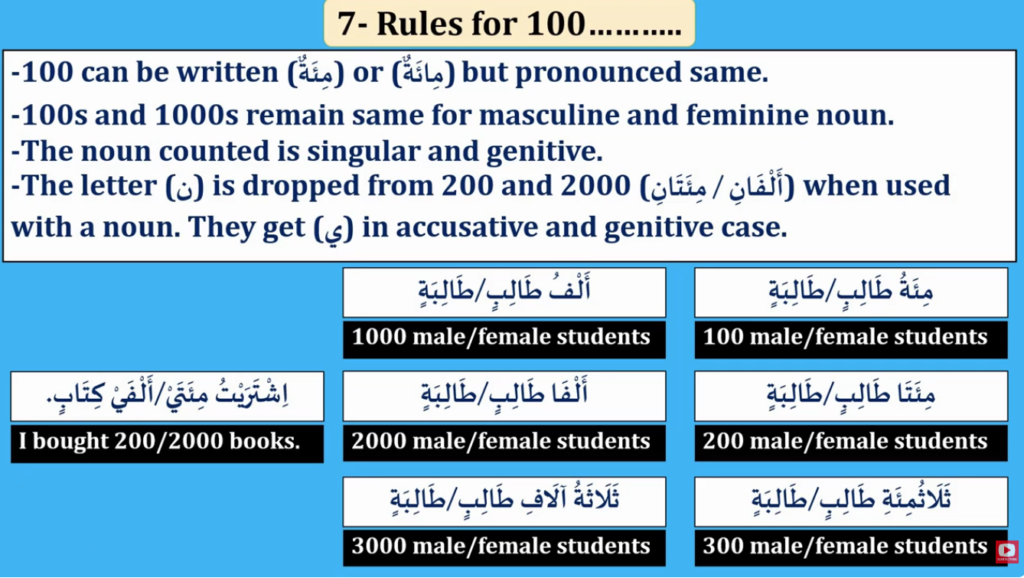
From 20 upward, the “tens” words (عشرون, ثلاثون, etc.) and hundreds (مائة, etc.) do not change for gender at all; they stay in one form regardless of what’s being counted.
Only the unit digit attached to a compound number (like the “three” in “twenty-three”) follows the reversal rule from the previous section.
Read Also: How Are Arabic Names Structured?
Step Inside Our Classrooms
Don’t just take our word for it—see our community in action. Click below to watch real, live snippets from our recent classes and experience our engaging teaching style firsthand!
Master Arabic in the UAE
Experience world-class Arabic language training designed for students and professionals in the Emirates.
Book Your Free TrialHow Tamyiz and Grammatical Case Work with Arabic Numbers
The word that follows a number in Arabic, the counted noun, called tamyiz تمييز, doesn’t stay in one grammatical form. Its case and number (singular or plural) depend entirely on which number precedes it.
Numbers 3–10 Require A Plural, Genitive Noun
Numbers 3 through 10 are followed by a plural noun in the genitive case, functioning as a possessive-style construction. “Three books” is ثلاثة كتبٍ, kutubin, plural and genitive, not the singular.
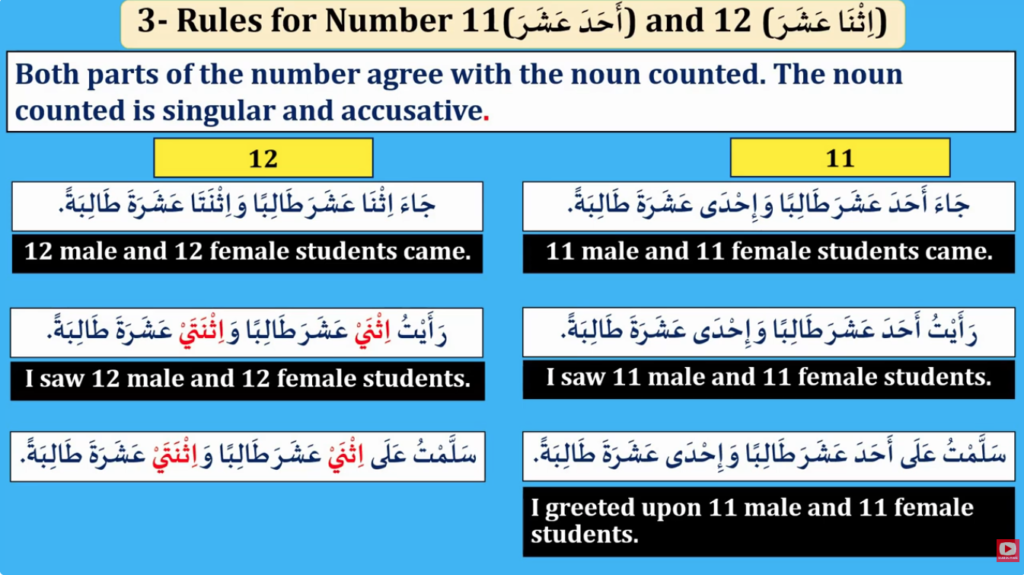
Numbers 11–99 Require A Singular, Accusative Noun
From 11 through 99, the counted noun switches to singular and takes the accusative case. “Twenty-three students” is ثلاثة وعشرون طالبًا ,طالبًا (talibban) is singular and accusative, even though 23 clearly refers to more than one student.
Numbers 100 And Above Require A Singular, Genitive Noun
At 100 and every multiple of 100 or 1,000, the counted noun returns to singular but shifts to the genitive case. “Three hundred stories” is ثلاثمائة قصةٍ, with قصة in the singular genitive.
If you’re mentally checking a number’s grammar in the moment, structured practice with a tutor is where this actually sticks. It’s the kind of rule that reading alone rarely fixes.
Read Also: How Many Phonemes Are In Arabic?
How To Write Arabic Numbers Correctly?
Writing Arabic numbers by hand or in formal text follows its own conventions beyond just knowing the vocabulary. Every student should learn how to write Arabic numbers properly.
Writing Compound Numbers in Words
When writing a two- or three-digit number out in words, the standard approach is to write the unit first, then the tens, connected by “and,” matching the reading order covered earlier.
A three-digit number can technically be spelled out starting from any position, right, left, or middle, as long as the final digit mentioned still receives the correct tamyiz agreement.
Read Also: Common Mistakes New Arabic Learners Make (And How To Fix Them)
Arabic Language Academy Rules for Compound Numbers
Here’s a detail most beginner resources skip entirely. When a compound number is written with “and” connecting its parts (like “one hundred and sixty-three”), the Arabic Language Academy in Cairo formally ruled that two reading orders are both correct, provided the gap between the smallest and largest number named doesn’t exceed ten.
The number 163 can be read مائة وثلاثة وستون (a hundred, and three and sixty) or ثلاثة وستون ومائة (three and sixty, and a hundred). Both rules are accepted usage; there’s no right or wrong.
See Our Classroom Environment in Action
Experience a sneak peek into our live sessions. Watch the video below to see our specialized instructors interacting with students, breakdown complex texts, and cultivate an engaging, respectful learning environment.
Master Arabic in the UAE
Experience world-class Arabic language training designed for students and professionals in the Emirates.
Book Your Free TrialLearn To Read And Write Arabic Numbers With Confidence
Grammar rules on a page only become fluency once you’ve said them out loud, been corrected, and repeated them until they’re automatic. That’s the gap between reading about Arabic numbers and actually using them.
Learn Arabic UAE pairs you with instructors who catch gender and case mistakes in real time, so the reversal rule for 3–10 and the tamyiz shifts for 11–99 stop being things you calculate and start being things you simply know.
Our Arabic courses
- Arabic Course in the UAE
- Arabic Intensive Course
- Arabic Classes for Beginners (Learn Arabic from Scratch)
- Madinah Arabic Course
- Arabic Classes for Adults
- Self-Paced Arabic Course
- Arabic Speaking Classes
- Learn to Write Arabic Course
- Arabic Grammar Course
- Learn Arabic Alphabet Course
- Modern Standard Arabic (MSA) Course
- Quranic Arabic Course
- Fusha Arabic Course
- Classical Arabic Course
- Emirati Arabic Course
- Gulf Arabic Course
- Learn Saudi Arabic
- Business Arabic Course UAE
- Arabic Language Classes for Professionals in UAE
Our Arabic Courses for Kids
- Arabic Course for Kids
- Arabic Conversation Course for Kids
- Arabic Qaida Course for Kids
- Beginner Arabic Course for Kids
- Arabic Grammar Course for Kids
- Teen Arabic Summer Course
- UAE Kindergarten Arabic Classes
Conclusion
Reading and writing Arabic numbers means working with two overlapping systems: the numeral shapes (Eastern or Western Arabic) and the number words, which carry their own rules for direction, gender, and grammatical case.
Units come before tens in compound numbers, hundreds and thousands read largest to smallest, and the noun you’re counting changes form depending on which number precedes it.
Once these patterns are in your ear rather than in your notes, reading and writing Arabic numbers becomes routine rather than a puzzle to solve each time.
Frequently Asked Questions
What is the correct order for reading Arabic numbers?
Two-digit numbers are read units first, then tens (23 is “three and twenty”). Numbers above 100 are read largest place value first, hundreds, then thousands, then the tens-and-units pair, following the pattern above.
How do you write compound numbers in Arabic?
Compound numbers are written by combining the unit and tens words with “and” (و), following the units-then-tens order. The Arabic Language Academy also permits reversing the order for connected compound numbers under ten digits apart.
What is the difference between Eastern and Western Arabic numerals?
Eastern Arabic numerals (٠١٢٣…) are used in Egypt, Saudi Arabia, and the Gulf, while Western Arabic numerals (0123…) are standard in the Maghreb and match international numerals. Both appear in the UAE depending on context.
Do Arabic numbers change with gender?
Yes. Numbers 1 and 2 match the noun’s gender, numbers 3–10 take the opposite gender of the noun, and the tens/hundreds words (20, 30, 100, etc.) stay fixed regardless of gender.
Why are Arabic numerals written left to right in a right-to-left language?
Multi-digit numbers place the highest place value on the left, the same logic English uses, so numerals keep a left-to-right internal order even inside right-to-left Arabic text.
Is there more than one correct way to read a number in Arabic?
Yes, for certain compound numbers. The Cairo Arabic Language Academy ruled that connected compound numbers can be read in either order, smallest-to-largest or largest-to-smallest, as long as the numbers involved are within ten of each other.
Related Articles
Learn Arabic



Leave a Reply